When a perfectly curated cheese board or a rare bottle of aged balsamic arrives looking like a battlefield, the stakes feel higher than a soufflé in a windstorm. That’s why mastering handling returns or replacements for damaged gourmet items is essential for any upscale food business. In this article we’ll explore why these situations demand extra care, walk through a step‑by‑step process, and share practical policies that keep both your brand and your customers smiling.
Why Gourmet Returns Need Special Attention
Gourmet products aren’t just ordinary groceries; they’re often high‑margin, perishable, and closely tied to a brand’s reputation. A single cracked jar of truffle oil can tarnish the perception of an entire product line. Moreover, customers who spend a premium expect a flawless experience—think of it as the culinary equivalent of a five‑star hotel stay. When something goes wrong, the way you respond can either reinforce trust or crack it further.
Common Reasons Gourmet Items Arrive Damaged
Understanding the root causes helps you prevent future headaches. Typical culprits include:
- Improper packaging – thin cardboard or insufficient cushioning. Temperature excursions – frozen items thawing, or delicate chocolates melting. Rough handling – pallets dropped, or boxes tossed during loading. Transit vibrations – long hauls over bumpy roads that turn delicate pastries into crumbled crumbs.
Identifying the pattern lets you tighten the supply chain before the next mishap.
Step‑by‑Step Process for Handling Returns or Replacements
A clear, repeatable workflow removes guesswork and speeds up resolution.
Verify the Claim
First, confirm that the damage is genuine and falls within the return window. Ask the customer for photos, a brief description, and the order number. This step protects you from fraudulent claims while Express shipping showing you take the issue seriously.
Document the Damage
Create a record in your system: product SKU, batch number, photos, and the nature of the defect. Good documentation is the safety net that prevents the same issue from slipping through the cracks again.
Choose Between Refund, Replacement, or Credit
Not every case requires a full refund. Sometimes a replacement of the same item (or a comparable alternative) is enough to restore confidence. Offer a credit for future purchases if the customer prefers to keep shopping with you.
Communicate with the Customer
Transparency is key. Send an email that outlines the next steps, expected timelines, and any actions you’re taking to prevent recurrence. A friendly tone—perhaps a Local cheese light joke about “the rogue avocado that tried to escape”—can turn a complaint into a memorable service moment.
Policies That Protect Both Business and Customer
A solid return policy is the backbone of smooth operations. Consider these guidelines:
- Clear time frames – e.g., 48 hours for perishable items, 7 days for non‑perishables. Easy claim submission – a simple online form with an option to upload images. No‑questions‑asked replacement for items that are visibly broken upon arrival. Cost‑sharing rules – specify when the retailer or the carrier bears shipping fees.
By setting expectations up front, you reduce friction when a claim does arise.
Training Your Team to Spot Issues Early
Even the best policies falter if staff miss the warning signs.
Sensory Checks
Teach employees to use sight, smell, and touch to assess product integrity. A faint off‑odor in a bottle of truffle oil can signal a breach in the seal before the customer even opens it.

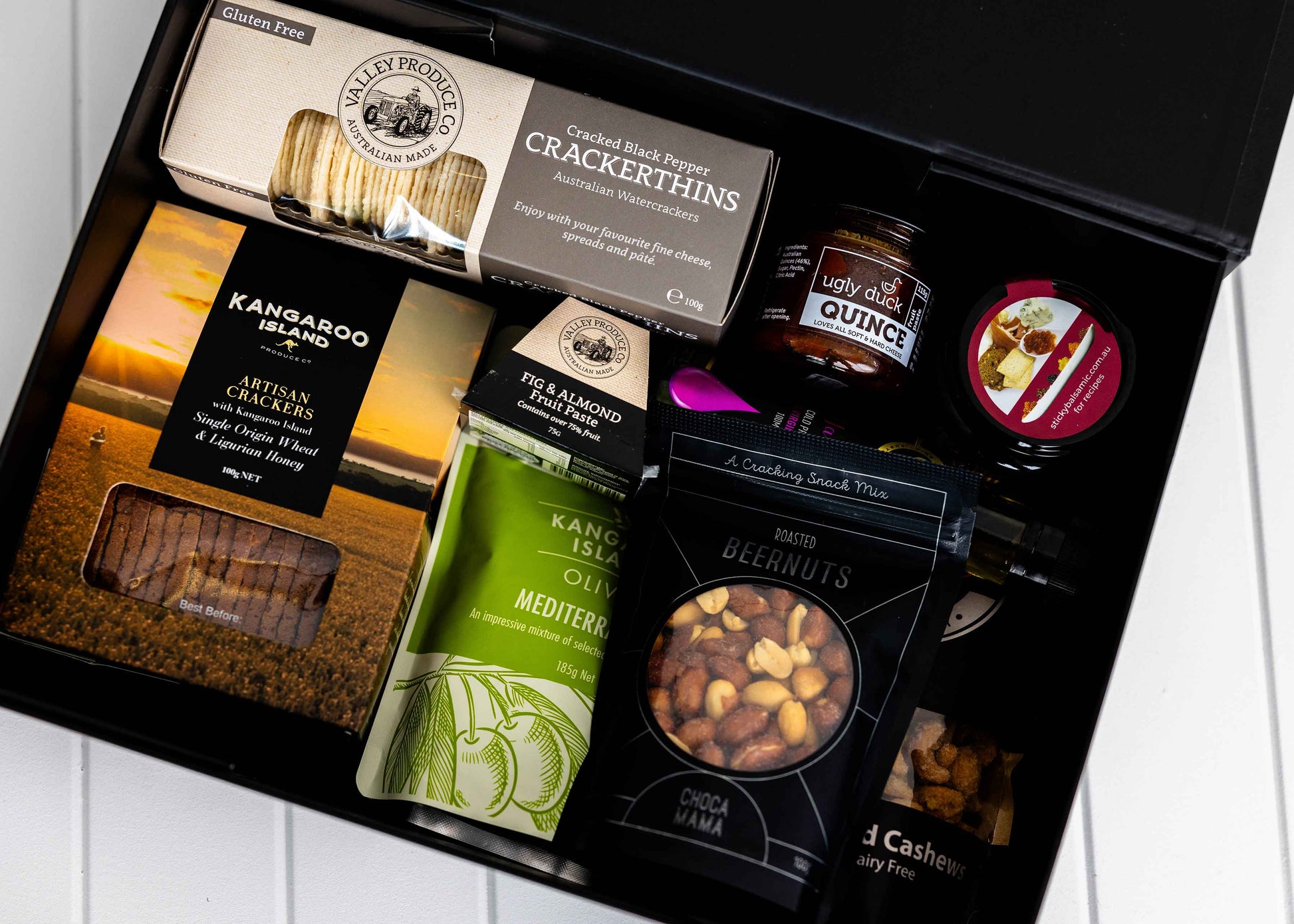
Packaging Inspection
Require a quick visual scan of each box for dents, tears, or moisture damage. Think of it as a pre‑flight checklist—if something looks off, the item gets flagged for further review.
Turning a Mishap into a Moment of Delight
Imagine this: a boutique cheese shop receives a crate of artisanal blue cheese that arrived looking like a crime scene—cracked, with a suspicious liquid seeping out. The shop owner, Laura, could have simply apologized and moved on. Instead, she sent a fresh replacement, included a handwritten note, and added a complimentary tasting of a new goat cheese. The customer posted a glowing review, writing, “Laura turned a potential disaster into a delightful surprise—like finding a hidden truffle in a mushroom patch.”
> “The only real mistake is the one you don’t learn from.” – Chef Thomas Keller
What would you do if a box of caviar arrived looking like a spilled bottle of ink? Would you let the incident sink, or would you fish for a solution that leaves the customer feeling valued? Handling returns or replacements for damaged gourmet items isn’t just about fixing a broken product; it’s about preserving the delicate balance of customer satisfaction and brand prestige. Like a well‑timed soufflé, the situation can rise or fall quickly—your response determines which direction it takes.
By implementing the steps and policies outlined above, you’ll turn inevitable hiccups into opportunities to showcase your commitment to quality. Ready to elevate your service? Start reviewing your current return workflow today, train your team on sensory inspections, and watch how a smooth handling process can keep your brand tasting as fresh as the products you sell.
---
*Take the first bite toward better returns: audit your current process, update your policy, and let every resolved claim be a reminder that excellence is served on a silver platter.*