When a client asks you to create a high‑end gift basket, you might think the focus is only on the goodies inside. But the packaging tells a story just as loudly. Choosing https://emilianouyeq380.mystrikingly.com/ the right sustainable packaging for luxury gift baskets is a balancing act between opulence, environmental responsibility, and business savvy. In this guide, we’ll walk through the key steps, sprinkle in a few light‑hearted moments, and help you make a decision that feels as good on the planet as it does on the shelf.
Why Sustainable Packaging Matters
Imagine a customer opening a beautifully wrapped basket only to discover the wrapper is a single‑use plastic that will linger in landfills for centuries. The first impression is ruined before the chocolate even arrives. Sustainable packaging does more than reduce waste; it signals to buyers that you care about the world as much as they Visit website care about the gift.
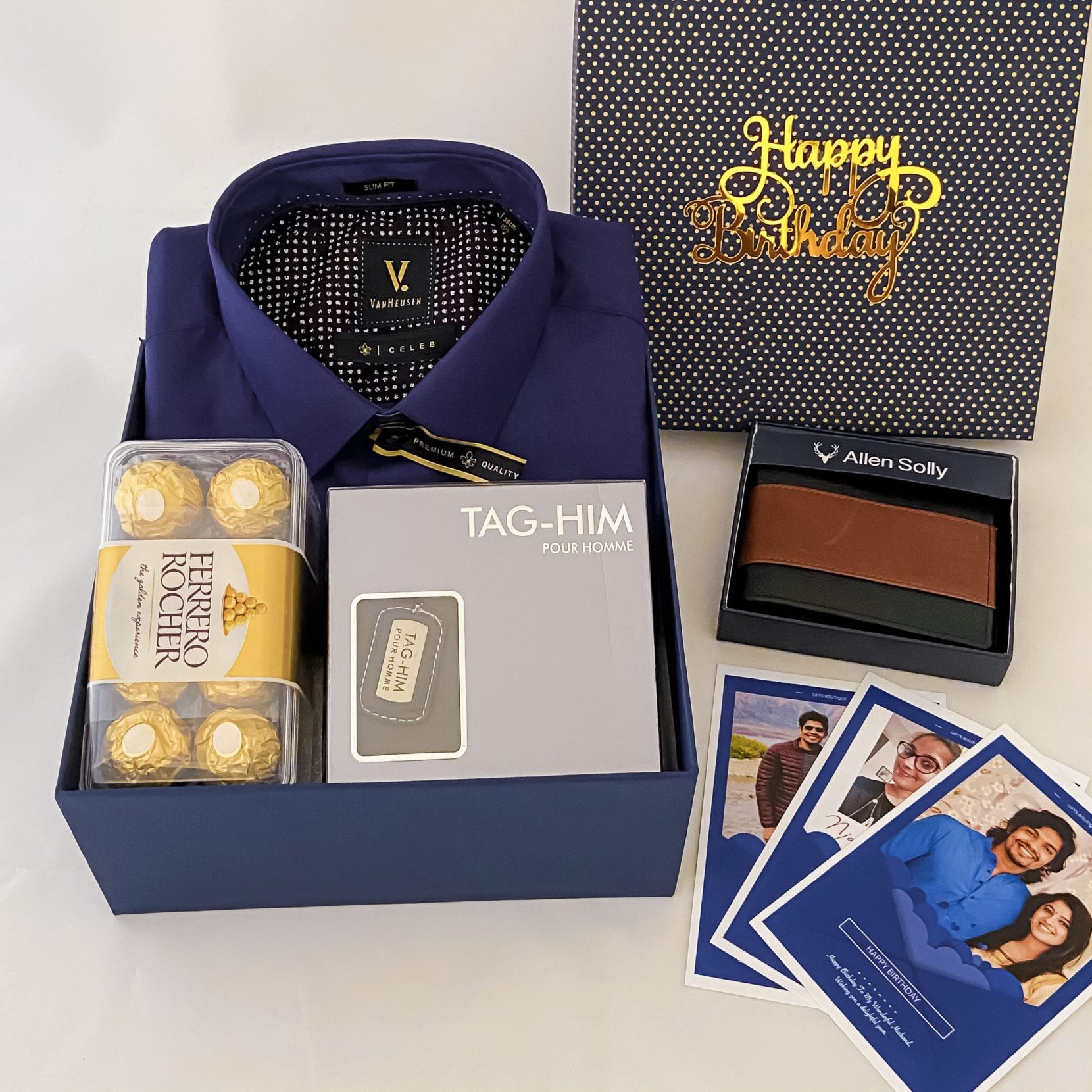
- Brand perception – Modern consumers equate sustainability with trust and authenticity. Regulatory trends – Governments worldwide are tightening rules on packaging waste. Long‑term savings – Reusable or recyclable materials often pay off over time.
A quick anecdote: A boutique chocolatier in Paris once switched from glossy foil to biodegradable kraft paper. The first month after the change, sales jumped 12% because customers felt the brand was “doing the right thing.” That’s not just a marketing win; it’s a tangible return on investment.
Key Factors to Evaluate
Choosing the right packaging is like picking a suit for a formal event: fit, fabric, and finishing touches matter. Here’s what to consider.
1. Material Origin
- Renewable sources – Bamboo, hemp, or recycled paper. Low‑impact production – Materials that require less water or energy. Certifications – Look for FSC, PEFC, or Cradle to Cradle labels.
2. Design and Aesthetics
- Texture and finish – Matte vs. glossy, embossed patterns. Color palette – Natural tones often pair well with eco‑friendly themes. Customizability – Can you add logos or personalization without compromising sustainability?
3. Functional Performance
- Durability – Will the basket stay intact during shipping? Ease of assembly – Time‑saving designs help reduce labor costs. Reusability – Some packaging doubles as a storage box or display.
4. Cost Implications
- Up‑front price – Sustainable options may start higher. Lifecycle cost – Consider waste disposal fees, shipping weight, and potential resale value. Supplier reliability – Consistent quality reduces returns and re‑orders.
Materials That Shine
Let’s dive into the materials that bring luxury and sustainability together. Think of them as the “green thumb” of packaging—each one has a unique set of benefits.
Biodegradable Kraft Paper
- Pros – 100% compostable, neutral canvas for premium finishes. Cons – May require protective coatings for moisture‑sensitive items.
Recycled PET (rPET)
- Pros – Lightweight, high‑clarity, great for showcasing glassware or crystal. Cons – Requires careful sourcing to ensure true recyclability.
Bamboo Fiber
- Pros – Rapidly renewable, naturally antibacterial. Cons – Limited color options without synthetic dyes.
Plant‑Based Polymers
- Pros – Mimic traditional plastics while decomposing faster. Cons – Availability can be limited for large orders.
> “Sustainability isn’t a trend; it’s the future of luxury.” – Jane Doe, CEO of GreenLux Packaging
Designing with Luxury in Mind
Luxury packaging is about more than just looking good; it’s about creating an experience. Think of it as a symphony where every element—texture, scent, weight—contributes to the crescendo.
- Layering – Combine a sturdy bamboo base with a soft recycled silk lining. Personal touches – Embossed monograms or hand‑written notes add exclusivity. Scented sachets – Use natural essential oils to evoke a sense of place.
Rhetorical question: Isn’t it time your gift basket whispered “I care” as loudly as it sang “I love you”?

Cost vs. Value: The Sweet Spot
A common misconception is that eco‑friendly packaging is always expensive. In reality, the equation is more nuanced. Think of it as a “cost of living” comparison: you pay a little more upfront for a product that lasts longer and has less environmental debt.
- Bulk purchasing often reduces per‑unit cost. Supplier partnerships can unlock discounts for sustainable materials. Marketing ROI – Eco‑friendly packaging can justify a premium price point.
Bullet points help you see the numbers clearly:
- Initial investment: +$0.50 per basket Long‑term savings: -$0.20 per basket (reduced waste disposal) Brand equity boost: +10% perceived value
The net effect? A modest increase in profit margin that also aligns with your ethical compass.
Making the Final Decision
After evaluating materials, design, and cost, you’re ready to pick the perfect sustainable packaging. Here’s a quick decision checklist:
- Does the material meet your brand’s sustainability goals? Can the design convey luxury without compromising eco‑factors? Does the cost fit within your pricing strategy? Will the supplier deliver on time and with consistent quality?
If the answer to each is “yes,” you’re on the right track. If not, revisit the earlier steps or consider a hybrid approach—perhaps a recycled PET outer shell with a bamboo inner lining.
The Perfect Gift Awaits
Choosing sustainable packaging for luxury gift baskets is more than a logistical choice; it’s a statement of values. When you wrap a basket in a thoughtfully selected eco‑friendly material, you’re not just presenting a gift—you’re presenting a promise. A promise that the beauty you share today will not tarnish tomorrow’s world.
Ready to elevate your gift baskets? Reach out to a trusted packaging supplier, request samples, and let your next collection tell a story that’s both indulgent and responsible. The planet will thank you, your customers will applaud, and your bottom line will feel the positive ripple.